Head to head
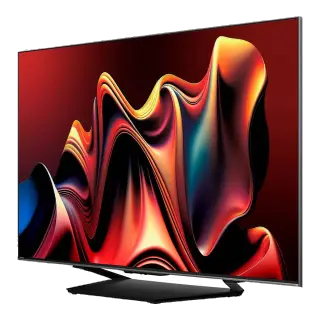
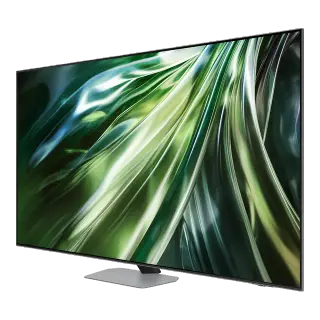
Samsung QN90D Neo QLED TV vs Hisense U7N Mini-LED TV
They split the 6 rankable specs evenly, so cost decides it: Hisense U7N Mini-LED TV costs $1,100 less.
Catalog as of September 1, 2026
Why, in numbers
Swap
Compare a different tv
TCL QM7 Mini-LED TV$799Hisense U8N Mini-LED TV$1,299LG B4 OLED TV$1,299TCL QM8 Mini-LED TV$1,499Samsung S90D OLED TV$1,599Samsung Q90C QLED TV$1,799LG C4 OLED evo TV$1,799Sony BRAVIA 7 Mini-LED TV$1,799Sony BRAVIA 8 OLED TV$1,999LG G3 OLED evo TV$2,199Samsung S95D QD-OLED TV$2,599LG G4 OLED evo TV$2,599Sony BRAVIA 9 Mini-LED TV$3,299Sony A95L OLED TV$3,499Swap
Compare a different tv
TCL QM7 Mini-LED TV$799Hisense U8N Mini-LED TV$1,299LG B4 OLED TV$1,299TCL QM8 Mini-LED TV$1,499Samsung S90D OLED TV$1,599Samsung Q90C QLED TV$1,799LG C4 OLED evo TV$1,799Sony BRAVIA 7 Mini-LED TV$1,799Sony BRAVIA 8 OLED TV$1,999LG G3 OLED evo TV$2,199Samsung S95D QD-OLED TV$2,599LG G4 OLED evo TV$2,599Sony BRAVIA 9 Mini-LED TV$3,299Sony A95L OLED TV$3,499Buying for
Straight answer
Overall: 3 to 3
Tied overall. Hisense U7N Mini-LED is cheaper.
- The 6 rankable overall specs split 3 to 3.
- Saves $1,100 at list price.
Deal-breakers
tick what would make you walk away
- Clear:Samsung QN90D Neo · 4Trips:Hisense U7N Mini-LED · 2 (HDMI ports 3 and 4 support 4K 144Hz;…
At a glance
The handful of numbers that decide most purchases in this category.
Panel type≠
Samsung
Mini-LED QLED (VA)
Hisense
Mini-LED ULED (VA with quantum dot)
Peak brightness (HDR)
Samsung
~2,000 nits HDR
Hisense
Up to 1,500 nits peak brightness
HDMI 2.1 ports
Samsung
4
Hisense
2 (HDMI ports 3 and 4 support 4K 144Hz; port 3 supports eARC)
The 90-Day Owner Regret Check
Documented ergonomic quirks, hardware annoyances, and maintenance realities reported by real owners.
Samsung: What to watch for
- Software / Apps
Smart TV interface runs sponsored ads and banner recommendations.
- Ergonomics
Thin integrated TV speakers lack low-end bass punch.
Hisense: What to watch for
- Software / Apps
Smart TV interface runs sponsored ads and banner recommendations.
- Ergonomics
Thin integrated TV speakers lack low-end bass punch.
Picture
8 differences| Panel type | Mini-LED QLED (VA) | Mini-LED ULED (VA with quantum dot) |
|---|---|---|
| Screen size | 65 inches | 65 inches |
| Resolution | 3840 × 2160 (4K) | 3840 × 2160 (4K) |
| Native refresh rate | 120 Hz (up to 144 Hz PC) | 144 Hz native (wins this row: higher) |
| Peak brightness (HDR)Not on the official sheet | ~2,000 nits HDR (wins this row: higher) | Up to 1,500 nits peak brightness |
| ContrastOur summary | Very high (local-dimmed LED, not infinite) | High contrast with full array local dimming |
| Local dimming | Quantum Matrix with Mini LED | Mini-LED with hundreds of dimming zones |
| Viewing angleOur summary | Wide (Ultra Viewing Angle) | Moderate (VA panel) |
| Screen finish | Matte anti-glare | Low reflection anti-glare finish |
| HDR formats | HDR10, HDR10+, HLG (no Dolby Vision) | Dolby Vision, Dolby Vision IQ, HDR10+, HDR10, HLG, IMAX Enhanced |
Processing
3 differences| Processor | NQ4 AI Gen2 Processor | Hi-View Engine PRO |
|---|---|---|
| Motion handlingOur summary | Motion Xcelerator 144Hz | Motion Rate 480 |
| Upscaling | 4K AI Upscaling Pro | AI 4K Upscaling |
Gaming
5 differences| HDMI 2.1 ports | 4 (wins this row: higher) | 2 (HDMI ports 3 and 4 support 4K 144Hz; port 3 supports eARC) |
|---|---|---|
| 4K 120Hz | Yes | Yes (up to 4K 144Hz) |
| VRR | Yes (FreeSync Premium Pro) | Yes (AMD FreeSync Premium Pro) |
| Auto low latency (ALLM) | Yes | Yes |
| Input lag (4K 120, game mode)Not on the official sheet | ~9.5 ms | ~6.5 ms at 120Hz / ~13 ms at 60Hz (wins this row: lower) |
| G-Sync / FreeSync | FreeSync Premium Pro, G-Sync Compatible | AMD FreeSync Premium Pro |
Audio
2 differences| Speakers | Object Tracking Sound+, 60W 4.2.2ch | 2.1 channel with built-in subwoofer, 40W |
|---|---|---|
| Dolby Atmos | Yes | Yes |
| eARC | Yes | Yes (HDMI port 3) |
Smart TV
2 differences| Operating system | Tizen OS | Google TV |
|---|---|---|
| Voice assistants | Bixby, Alexa | Google Assistant, works with Alexa and Apple HomeKit |
Design
leads 1-0| ThicknessNot on the official sheet | ~27 mm (wins this row: lower) | ~75 mm |
|---|---|---|
| Wall mount | Standard VESA | VESA 400 × 300 mm |
Ownership
leads 1-0| Burn-in riskOur summary | None (LED) | None (LED) |
|---|---|---|
| Warranty | 1 year | 2 year manufacturer limited warranty (wins this row: higher) |
Which one should you buy
Pick this one if
Samsung QN90D Neo QLED TV
Premium 65-inch Mini-LED 4K TV with NQ4 AI Gen2 processor, 144Hz refresh rate, and anti-glare screen.
- High peak brightness exceeding 2,000 nits for sunlit rooms
- Four full-bandwidth HDMI 2.1 ports supporting up to 144Hz PC gaming
- Ultra Viewing Angle layer and matte anti-glare finish
What you give up
- No Dolby Vision format support
- Slight blooming around bright subtitles on pitch-black backgrounds
Pick this one if
Hisense U7N Mini-LED TV
65-inch Mini-LED ULED TV featuring 144Hz Game Mode Pro, 1,500 nits peak brightness, and full array local dimming.
- Strong value Mini-LED picture quality with vibrant colors
- 144Hz gaming with VRR, ALLM, and FreeSync Premium Pro
- Full HDR support (Dolby Vision IQ, HDR10+, IMAX Enhanced)
What you give up
- Only two HDMI 2.1 ports
- Viewing angle degrades off-center like most VA panels
Best for each use
Gaming
For gaming, buy the Hisense U7N Mini-LED.
Movies
Too close to call on movies from the spec sheets. Only peak brightness (hdr) is rankable here.
Bright rooms
Too close to call on bright rooms from the spec sheets. Only peak brightness (hdr) is rankable here.
Done deciding?
Open the full standalone spec sheet for either device.
Manufacturer pages: Samsung QN90D Neo QLED TV ↗ · Hisense U7N Mini-LED TV ↗
Common questions
Which is cheaper, the Samsung QN90D Neo or the Hisense U7N Mini-LED?
Hisense U7N Mini-LED costs $1,100 less at list price.
What is the biggest catch with the Samsung QN90D Neo or Hisense U7N Mini-LED?
Hisense U7N Mini-LED has this deal-breaker: only two HDMI 2.1 ports. A PS5, an Xbox and a 4K120 PC cannot all connect at full bandwidth, and one port doubles as eARC.
Which is better for gaming, the Samsung QN90D Neo or the Hisense U7N Mini-LED?
For gaming, buy the Hisense U7N Mini-LED. Leads 2 of 3 rankable gaming specs; Samsung QN90D Neo takes 1. Input lag (4K 120, game mode): ~6.5 ms at 120Hz / ~13 ms at 60Hz vs ~9.5 ms
What cannot be compared from spec sheets?
Of the 28 specs tracked here, 22 are descriptive and cannot be ranked on numbers alone. Spec sheets also cannot measure subjective factors like build quality, real-world performance, or comfort.