
Apple
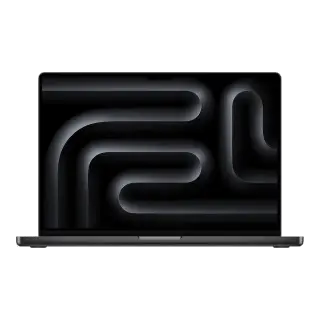
MacBook Pro 16" (2024)
Laptops
$2,499List price
Explore this product Your shortlist, side by side
Find the differences that matter for your next decision.
Laptops
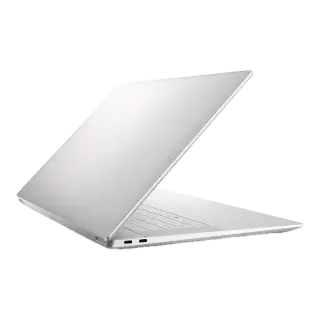
Laptops
Start with all rankable specifications, or focus on a particular use.
Your starting point
We compare the published specifications relevant to your priority. Each rankable specification counts once; your selected requirements can rule a product out. This is a guide to the numbers, not a laboratory performance score.
The trade-off to know
Check first: the Dell XPS 16 has no HDMI port. the Dell XPS 16 has a 60 Hz display.
Look at the differences ↓Side by side
Start with the key specs, then explore as much as you need.
| What you’re comparing | MacBook Pro 16" (2024) | Dell XPS 16 (2024) |
|---|---|---|
| SizeDisplay | 16.2 inches | 16.3 inches |
| PanelDisplay | Liquid Retina XDR mini-LED | OLED touch |
| ProcessorPerformance | Apple M3 Max | Intel Core Ultra 9 185H |
| MemoryPerformance | 36GB unified | 32GB LPDDR5x |
| Claimed battery lifeBattery | Up to 22 hours video | ~8–12 hours mixed use |
Showing 5 of 29 specifications. Missing values stay unlisted. About the sources
Both sides of the decision
Beyond the spec sheet
Explore the ownership details available for this pair.
Real-world travel weight including chargers, bag fit, and lap thermals.
Backpack Sleeve Compatibility
Standard laptop bag sleeve
Requires dedicated 16" laptop bag compartment
Lap Ergonomics & Vent Placement
Standard hinge exhaust
Vapor chamber exhausts rear; heavy GPU workload warms lap
Total Travel Weight (Chassis + Charger)
Standard carry weight
4.70 lb laptop + 130W brick = ~5.8 lb total carry
Know what’s behind the comparison
Clinchmark compares manufacturer specifications and other published information. We have not independently lab-tested these products. Editorial assessments and unknown values are identified in the specification details.
Catalog snapshot: September 1, 2026. Prices, availability, and provider terms can change.
Dell XPS 16 costs $300 less at list price.
MacBook Pro 16" has this deal-breaker: no touchscreen. No pen or touch input for marking up PDFs or sketching.
For travel, buy the MacBook Pro 16". Leads 3 of 4 rankable travel specs; Dell XPS 16 takes 1. Claimed battery life: Up to 22 hours video vs ~8–12 hours mixed use
Of the 29 specs tracked here, 19 are descriptive and cannot be ranked on numbers alone. Spec sheets also cannot measure subjective factors like build quality, real-world performance, or comfort.