
Apple
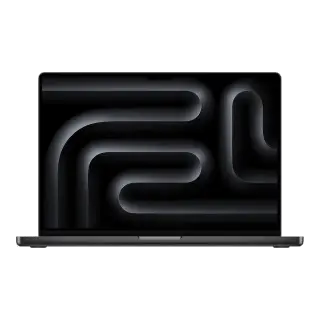
MacBook Pro 16" (2024)
Laptops
$2,499List price
Explore this product Your shortlist, side by side
Find the differences that matter for your next decision.
Laptops
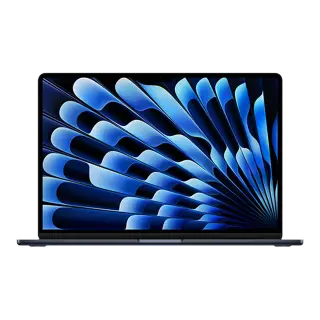
Laptops
Start with all rankable specifications, or focus on a particular use.
Your starting point
We compare the published specifications relevant to your priority. Each rankable specification counts once; your selected requirements can rule a product out. This is a guide to the numbers, not a laboratory performance score.
Claimed battery life: Up to 22 hours video vs Up to 18 hours Apple TV app movie playback
MacBook Air 15" (M3) is $1,200 cheaper. Pay the difference only if memory matters to you.
The trade-off to know
Check first: the MacBook Pro 16" weighs over 4 lb (1.8 kg). Tick them under deal-breakers if that rules it out.
Look at the differences ↓Side by side
Start with the key specs, then explore as much as you need.
| What you’re comparing | MacBook Pro 16" (2024) | MacBook Air 15" (M3) |
|---|---|---|
| SizeDisplay | 16.2 inches | 15.3 inches |
| PanelDisplay | Liquid Retina XDR mini-LED | Liquid Retina IPS LED |
| ProcessorPerformance | Apple M3 Max | Apple M3 (8-core CPU) |
| MemoryPerformance | 36GB unified | 16GB unified |
| Claimed battery lifeBattery | Up to 22 hours video | Up to 18 hours Apple TV app movie playback |
Showing 5 of 29 specifications. Missing values stay unlisted. About the sources
Both sides of the decision
Beyond the spec sheet
Explore the ownership details available for this pair.
Apple sibling models compared across generations.
Our recommendation: Compare the spec differences below to see if the price premium justifies the newer model's additions.
Know what’s behind the comparison
Clinchmark compares manufacturer specifications and other published information. We have not independently lab-tested these products. Editorial assessments and unknown values are identified in the specification details.
Catalog snapshot: September 1, 2026. Prices, availability, and provider terms can change.
MacBook Air 15" (M3) costs $1,200 less at list price.
Both has this deal-breaker: no touchscreen. No pen or touch input for marking up PDFs or sketching.
Tied on travel. MacBook Air 15" (M3) is cheaper. The 4 rankable travel specs split 2 to 2. Saves $1,200 at list price.
Of the 29 specs tracked here, 21 are descriptive and cannot be ranked on numbers alone. Spec sheets also cannot measure subjective factors like build quality, real-world performance, or comfort.