Skip to content
Clinchmark

Head to head

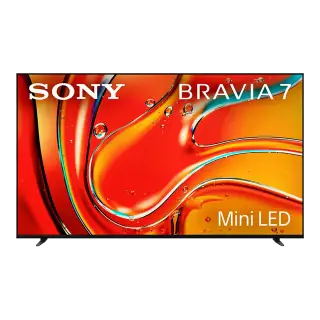
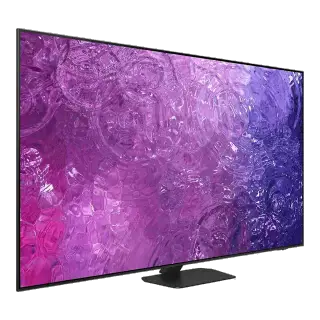
Samsung Q90C QLED TV vs Sony BRAVIA 7 Mini-LED TV

Samsung Q90C QLED TV leads 2 to 0 on the 2 rankable specs. Most of the 28 attributes tracked here are descriptive rather than numeric.

Catalog as of September 1, 2026

Why, in numbers

  • Panel type: Samsung Q90C lists Mini-LED QLED (VA) (Samsung sheet, 2026-09-02); Sony BRAVIA 7 Mini-LED lists Mini-LED QLED (VA panel with local dimming) (Sony sheet, 2026-09-02).
  • Peak brightness (HDR): Samsung Q90C lists ~1,500–2,000 nits HDR (other published figure, not on maker sheet); Sony BRAVIA 7 Mini-LED lists ~1,800–2,000 nits peak HDR (other published figure, not on maker sheet).
  • HDMI 2.1 ports: Samsung Q90C lists 4 (Samsung sheet, 2026-09-02); Sony BRAVIA 7 Mini-LED lists 2 (HDMI ports 3 and 4 support 4K 120Hz; port 3 doubles as eARC) (Sony sheet, 2026-09-02).
  • Native refresh rate: Samsung Q90C lists 120 Hz (up to 144 Hz PC) (Samsung sheet, 2026-09-02); Sony BRAVIA 7 Mini-LED lists 120 Hz (Sony sheet, 2026-09-02).
  • Contrast: Samsung Q90C lists Very high (local-dimmed LED, not infinite) (our summary); Sony BRAVIA 7 Mini-LED lists High native VA contrast with XR Contrast Booster 20 (our summary).

Manufacturer list price, not a live offer. Confirm current pricing before you buy.

Samsung Q90C QLED TV
$1,7992 spec wins
Swap
Sony BRAVIA 7 Mini-LED TV
$1,7990 spec wins
Swap

Buying for

Every rankable spec counts once. Pick a lens to score only what matters for your tv.

Straight answer

Overall: 2 to 0

Buy the Samsung Q90C.

  • Leads 2 of 2 rankable overall specs.
  • HDMI 2.1 ports: 4 vs 2
  • Thickness: ~26 mm vs ~56 mm
  • Same list price, so the spec lead is the whole story.
2 Samsung Q90C2 rankable of 28 specsSony BRAVIA 7 Mini-LED 0

Deal-breakers

tick what would make you walk away

  • row

    A PS5, an Xbox and a 4K120 PC cannot all connect at full bandwidth, and one port doubles as eARC.

    Clear:Samsung Q90C · 4Trips:Sony BRAVIA 7 Mini-LED · 2 (HDMI ports 3 and 4 support 4K 120Hz;…

At a glance

The handful of numbers that decide most purchases in this category.

3 of 3 differ

Panel type

Samsung

Mini-LED QLED (VA)

Sony

Mini-LED QLED (VA panel with local dimming)

Peak brightness (HDR)

Samsung

~1,500–2,000 nits HDR

Sony

~1,800–2,000 nits peak HDR

HDMI 2.1 ports

Samsung

4

Sony

2 (HDMI ports 3 and 4 support 4K 120Hz; port 3 doubles as eARC)

Living Room Space & Placement Check

Real-world physical measurements for credenza width, soundbar clearance, and wall mounting.

Ergonomic & Spatial Check

TV Stand & Table Footprint

Check your media console width before buying wide-foot models.

Samsung

Heavy center pedestal stand (fits narrow 16"–24" media consoles)

Sony

Standard pedestal or dual-foot support

Soundbar Clearance

Low bezel clearance may cause soundbars to block screen bottom or remote sensor.

Samsung

3.0 in clearance above pedestal (fits most soundbars)

Sony

Standard clearance

Wall Mount Profile & Depth

Samsung

1.0 in NeoSlim uniform chassis depth

Sony

Standard VESA wall depth

The 90-Day Owner Regret Check

Documented ergonomic quirks, hardware annoyances, and maintenance realities reported by real owners.

Post-Purchase Truths

Samsung: What to watch for

  • Software / Apps

    Lack of Dolby Vision HDR format support.

    Samsung refuses to license Dolby Vision, falling back to standard HDR10 on Netflix, Disney+, and Apple TV+ streams.

  • Hardware Quirk

    Rainbow horizontal flare streaks under intense direct side lighting.

    The wide viewing angle anti-reflective optical layer can stretch pinpoint lamp reflections into horizontal rainbow bands across the panel.

Sony: What to watch for

  • Software / Apps

    Smart TV interface runs sponsored ads and banner recommendations.

    Like most modern smart TV platforms, the home menu highlights suggested streaming content and sponsored banner placement out of the box.

  • Ergonomics

    Thin integrated TV speakers lack low-end bass punch.

    Ultra-thin modern chassis leave minimal acoustic chamber depth, making a dedicated soundbar or audio system virtually mandatory for movie dialogues.

Picture

8 differences
Picture specifications. Middle column is Samsung Q90C QLED TV, right column is Sony BRAVIA 7 Mini-LED TV.
Panel typeMini-LED QLED (VA)Mini-LED QLED (VA panel with local dimming)
Screen size65 inches65 inches
Resolution3840 × 2160 (4K)3840 × 2160 (4K)
Native refresh rate120 Hz (up to 144 Hz PC)120 Hz
Peak brightness (HDR)Not on the official sheet~1,500–2,000 nits HDR~1,800–2,000 nits peak HDR
ContrastOur summaryVery high (local-dimmed LED, not infinite)High native VA contrast with XR Contrast Booster 20
Local dimmingQuantum Mini LED full-arrayXR Backlight Master Drive (thousands of Mini-LED zones)
Viewing angleOur summaryWide (Ultra Viewing Angle layer)Moderate (VA panel without wide-angle film)
Screen finishMatte anti-glareSemi-gloss with anti-reflective coating
HDR formatsHDR10, HDR10+, HLG (no Dolby Vision)Dolby Vision, HDR10, HLG, IMAX Enhanced

Processing

3 differences
Processing specifications. Middle column is Samsung Q90C QLED TV, right column is Sony BRAVIA 7 Mini-LED TV.
ProcessorNeural Quantum Processor 4KXR Processor
Motion handlingOur summaryStrong; LED pixel response slower than OLEDXR Motion Clarity (fast response with backlight scanning)
UpscalingAI 4K upscalingXR Clear Image 4K upscaling

Gaming

leads 1-0
Gaming specifications. Middle column is Samsung Q90C QLED TV, right column is Sony BRAVIA 7 Mini-LED TV.
HDMI 2.1 ports4 (wins this row: higher)2 (HDMI ports 3 and 4 support 4K 120Hz; port 3 doubles as eARC)
4K 120HzYesYes (on HDMI 3 and 4)
VRRYes (FreeSync Premium Pro)Yes (HDMI VRR)
Auto low latency (ALLM)YesYes (Auto Low Latency Mode)
Input lag (4K 120, game mode)Not on the official sheet~10 ms~10 ms at 4K 120Hz / ~17 ms at 60Hz
G-Sync / FreeSyncFreeSync Premium ProG-Sync compatible (via VRR)

Audio

3 differences
Audio specifications. Middle column is Samsung Q90C QLED TV, right column is Sony BRAVIA 7 Mini-LED TV.
SpeakersObject Tracking Sound+, 60WAcoustic Multi-Audio (40W total: 2 tweeters, 2 full-range drivers)
Dolby AtmosYes (passthrough / object tracking)Yes (Dolby Atmos and DTS:X support)
eARCYesYes (HDMI port 3)

Smart TV

2 differences
Smart TV specifications. Middle column is Samsung Q90C QLED TV, right column is Sony BRAVIA 7 Mini-LED TV.
Operating systemTizenGoogle TV
Voice assistantsBixby, Alexa, Google AssistantGoogle Assistant built-in, works with Alexa and Apple AirPlay 2

Design

leads 1-0
Design specifications. Middle column is Samsung Q90C QLED TV, right column is Sony BRAVIA 7 Mini-LED TV.
ThicknessNot on the official sheet~26 mm (wins this row: lower)~56 mm
Wall mountStandard VESAVESA 300 × 300 mm

Ownership

1 differences
Ownership specifications. Middle column is Samsung Q90C QLED TV, right column is Sony BRAVIA 7 Mini-LED TV.
Burn-in riskOur summaryNone (LED)None (LED)
Warranty1 year1 year manufacturer limited warranty
Most rows are from the official spec sheet. Marked rows are other published figures or our summary, not lab tests we ran.

Which one should you buy

Pick this one if

Samsung Q90C QLED TV

Premium 65-inch Mini-LED QLED TV with Quantum Matrix backlighting and Object Tracking Sound.

  • Excellent HDR brightness for mixed lighting
  • Four full-bandwidth HDMI 2.1 ports
  • Strong anti-glare finish for bright rooms

What you give up

  • No Dolby Vision
  • VA-style contrast still trails OLED in dark rooms

Pick this one if

Sony BRAVIA 7 Mini-LED TV

65-inch 4K Mini-LED TV with Sony XR Processor, XR Backlight Master Drive local dimming, and Google TV.

  • High Mini-LED brightness and precise XR Backlight local dimming
  • Industry-leading Sony XR video processing and upscaling
  • Dolby Vision and IMAX Enhanced support

What you give up

  • Only two HDMI 2.1 ports (one shared with eARC)
  • Viewing angles narrower than OLED options

Best for each use

Gaming

Console or PC play: low input lag, 120 Hz, enough HDMI 2.1 ports for every box

Too close to call on gaming from the spec sheets. Only hdmi 2.1 ports is rankable here.

  • Input lag (4K 120, game mode): ~10 ms vs ~10 ms at 4K 120Hz / ~17 ms at 60Hz
  • 4K 120Hz: Yes vs Yes

Movies

Dark-room films and HDR streaming: black levels, HDR formats, motion and upscaling

Too close to call on movies from the spec sheets.

  • Contrast: Very high vs High native VA contrast with XR Contrast…
  • Panel type: Mini-LED QLED vs Mini-LED QLED

Bright rooms

Daytime TV and sports in a sunny room: brightness, glare handling, wide seating

Too close to call on bright rooms from the spec sheets.

  • Peak brightness (HDR): ~1,500–2,000 nits HDR vs ~1,800–2,000 nits peak HDR
  • Screen finish: Matte anti-glare vs Semi-gloss with anti-reflective coating

Every answer above is scored from published figures. A lens uses only the rows that matter for that use, including marked rows that are not on the official sheet. Switch lenses interactively in the panel above.

Done deciding?

Open the full standalone spec sheet for either device.

Manufacturer pages: Samsung Q90C QLED TV · Sony BRAVIA 7 Mini-LED TV

Common questions

Which is cheaper, the Samsung Q90C or the Sony BRAVIA 7 Mini-LED?

Both list at the same price.

What is the biggest catch with the Samsung Q90C or Sony BRAVIA 7 Mini-LED?

Sony BRAVIA 7 Mini-LED has this deal-breaker: only two HDMI 2.1 ports. A PS5, an Xbox and a 4K120 PC cannot all connect at full bandwidth, and one port doubles as eARC.

Which is better for gaming, the Samsung Q90C or the Sony BRAVIA 7 Mini-LED?

Too close to call on gaming from the spec sheets. Only hdmi 2.1 ports is rankable here. Input lag (4K 120, game mode): ~10 ms vs ~10 ms at 4K 120Hz / ~17 ms at 60Hz 4K 120Hz: Yes vs Yes

What cannot be compared from spec sheets?

Of the 28 specs tracked here, 26 are descriptive and cannot be ranked on numbers alone. Spec sheets also cannot measure subjective factors like build quality, real-world performance, or comfort.

Other matchups