
Samsung
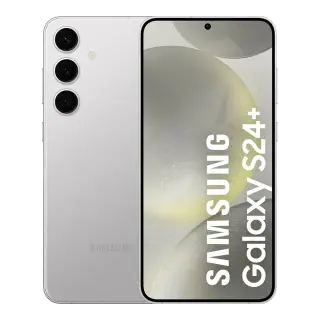
Samsung Galaxy S24+
Phones
$999List price
Explore this product Your shortlist, side by side
Find the differences that matter for your next decision.
Phones
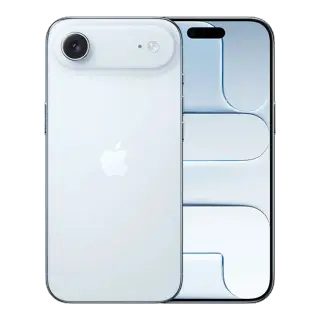
Phones
Start with all rankable specifications, or focus on a particular use.
Your starting point
We compare the published specifications relevant to your priority. Each rankable specification counts once; your selected requirements can rule a product out. This is a guide to the numbers, not a laboratory performance score.
Max optical zoom: 3x optical zoom vs 2x
Same list price, so the spec lead is the whole story.
The trade-off to know
Samsung Galaxy S24+: Camera hardware is mostly unchanged from previous generation
Look at the differences ↓Side by side
Start with the key specs, then explore as much as you need.
| What you’re comparing | Samsung Galaxy S24+ | iPhone Air |
|---|---|---|
| WeightBody | 197 g (6.95 oz) | 158 g (5.57 oz) |
| SizeDisplay | 6.7 inches | 6.55 inches |
| ChipsetPlatform | Snapdragon 8 Gen 3 for Galaxy (4 nm) | Apple A19 Pro (3 nm) |
| Max optical zoomRear camera | 3x optical zoom | 2x (sensor crop) |
| CapacityBattery & charging | 4,900 mAh | 3,200 mAh |
Showing 5 of 48 specifications. Missing values stay unlisted. About the sources
Both sides of the decision
Beyond the spec sheet
Explore the ownership details available for this pair.
Documented ergonomic quirks, hardware annoyances, and maintenance realities reported by real owners.
Samsung: What to watch for
No wall charging adapter included in the retail box.
Apple: What to watch for
No wall charging adapter included in the retail box.
Know what’s behind the comparison
Clinchmark compares manufacturer specifications and other published information. We have not independently lab-tested these products. Editorial assessments and unknown values are identified in the specification details.
Catalog snapshot: September 1, 2026. Prices, availability, and provider terms can change.
Both list at the same price.
Both has this deal-breaker: no stylus. No pen input for handwritten notes or markup.
For photos, buy the Samsung Galaxy S24+. Leads 2 of 3 rankable photos specs; iPhone Air takes 1. Max optical zoom: 3x optical zoom vs 2x
Of the 48 specs tracked here, 39 are descriptive and cannot be ranked on numbers alone. Spec sheets also cannot measure subjective factors like build quality, real-world performance, or comfort.