
Blueair
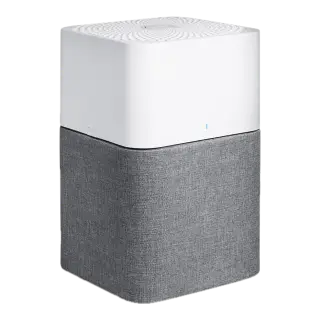
Blueair Blue Pure 211+ Auto
Air purifiers
$339List price
Explore this product Your shortlist, side by side
Find the differences that matter for your next decision.
Air purifiers
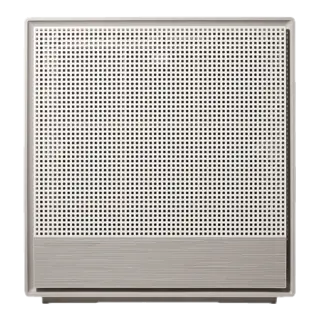
Air purifiers
Start with all rankable specifications, or focus on a particular use.
Your starting point
We compare the published specifications relevant to your priority. Each rankable specification counts once; your selected requirements can rule a product out. This is a guide to the numbers, not a laboratory performance score.
Filter life: 12 months vs 6 months
Blueair Blue Pure 211+ Auto is $60 cheaper. Pay the difference only if coverage area matters to you.
The trade-off to know
Coway Airmega 250: No Wi-Fi app connectivity on the standard 250 model (app available on 250S variant)
Look at the differences ↓Side by side
Start with the key specs, then explore as much as you need.
| What you’re comparing | Blueair Blue Pure 211+ Auto | Coway Airmega 250 |
|---|---|---|
| CADRPerformance | 353 CFM (Smoke), 347 CFM (Dust), 380 CFM (Pollen) | 249 CFM (Smoke), 261 CFM (Dust), 230 CFM (Pollen) |
| Room sizePerformance | Large living rooms, open floor plans, master suites | Large bedrooms, apartments, living rooms, and open layouts up to 930 sq ft |
| Coverage areaPerformance | 550 sq ft (4.8 air changes/hr) / 1,320 sq ft (2 air changes/hr) | 930 sq ft (2 air changes/hr) / 465 sq ft (4 air changes/hr) |
| Filter typesFilters | Washable fabric pre-filter + HEPASilent main filter (Particle + Carbon) | EZ-clean Washable Pre-filter + Max2 Green True HEPA and Activated Carbon filter |
| Filter lifeFilters | 6 months | 12 months (Max2 filter) / Washable slide-out pre-filter |
Showing 5 of 11 specifications. Missing values stay unlisted. About the sources
Both sides of the decision
Beyond the spec sheet
Explore the ownership details available for this pair.
Blueair Blue Pure 211+ Auto
Coway Airmega 250
Physical clearance required for airflow, wall placement, and bedroom noise levels.
Wall Clearance Required
Requires 12 in perimeter airflow space
Bottom & dual-side intake: sits flush against back wall
Nighttime Sleep Mode Noise
Standard sleep speed
22 dB sleep mode with auto-dimming LED light sensor
Unit Footprint & Dimensions
Standard room purifier footprint
Modern slim tower (19.7 × 18.5 × 8.3 in; 20.5 lb)
Documented ergonomic quirks, hardware annoyances, and maintenance realities reported by real owners.
Blueair: What to watch for
Requires periodic filter replacements to maintain airflow and odor capture.
Coway: What to watch for
Requires periodic filter replacements to maintain airflow and odor capture.
Know what’s behind the comparison
Clinchmark compares manufacturer specifications and other published information. We have not independently lab-tested these products. Editorial assessments and unknown values are identified in the specification details.
Catalog snapshot: September 1, 2026. Prices, availability, and provider terms can change.
Blueair Blue Pure 211+ Auto costs $60 less at list price.
Blueair Blue Pure 211+ Auto has this deal-breaker: no Wi-Fi app. No schedules or remote control from your phone.
Tied on bedrooms. Blueair Blue Pure 211+ Auto is cheaper. The 2 rankable bedrooms specs split 1 to 1. Saves $60 at list price.
Of the 11 specs tracked here, 5 are descriptive and cannot be ranked on numbers alone. Spec sheets also cannot measure subjective factors like build quality, real-world performance, or comfort.